This article introduces the “policy exposome,” framing policy as a cumulative exposure that shapes dementia risk across the life course by influencing social, environmental, and behavioral conditions.
Private equity firms have gained increasing control of U.S. health care infrastructure. Along with other potential consequences, this growth threatens to undermine progress in health equity.
This dataset provides a comprehensive overview of state minimum wage laws in the 25 states of the 40 largest U.S. cities from January 1, 2010, to April 15, 2023.
This dataset provides a comprehensive overview of state nonpayment of wages laws in 25 states from the 40 largest U.S. cities from January 1, 2010, to April 15, 2023.
This dataset provides a comprehensive overview of local nonpayment of wages laws in the 40 largest U.S. cities from January 1, 2010, to April 15, 2023.
This dataset measures key features of local and state wage theft laws in the 40 largest US cities to assess the added value of local legislation and to create scientific legal data for use in evaluating the health impact of wage theft laws.
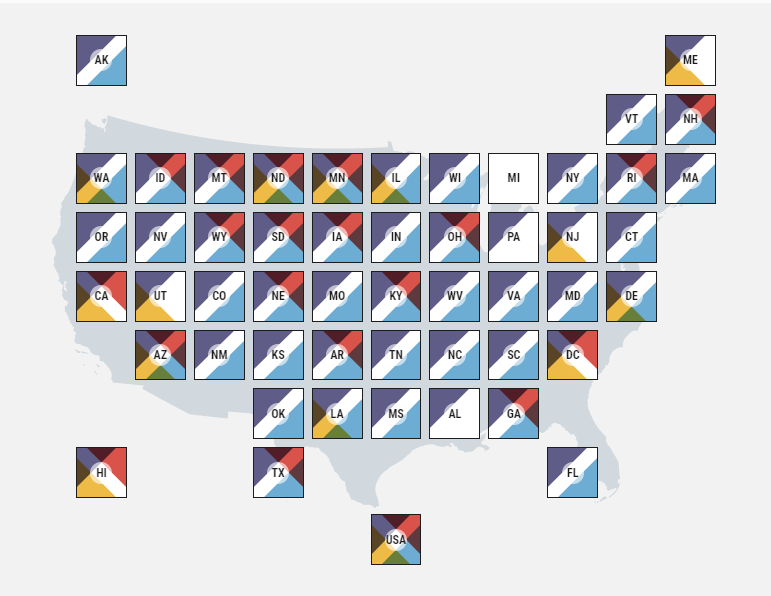
This dataset evaluates the policies of 75 U.S. cities in 2025, highlighting progress in health equity through affordable housing, food access, smoke-free air, and more.
This article explores CityHealth, an initiative of the de Beaumont Foundation and Kaiser Permanente, as a model collaboration between research and practice that advances a package of evidence-based policies.
This dataset examines state preemption laws that restrict local governments' ability to legislate on key health-related issues, including firearms, race, and election policies.
This longitudinal dataset captures laws addressing authority to respond to public health emergencies that were enacted between May 21, 2022, and September 23, 2024, in all 50 US states and the District of Columbia.
This dataset presents longitudinal data on state laws directing opioid litigation proceeds toward substance use disorder prevention, treatment, recovery, and harm reduction, highlighting policy surveillance utility.
This longitudinal dataset provides an overview of state statutes, regulations, and court rules governing debt collection lawsuits from January 1, 2023, through December 1, 2023, in all 50 states, the District of Columbia, and five U.S. territories.